
When you are not talking, you are still communicating. We all know this. One of the aspects I discuss in my master classes is how to better align with the other person during a conversation. With your customer, student or any discussion partner. We are often unaware of how we speak and how our voice comes across, but also of what our listening face conveys.
Our face speaks volumes, also when we are not talking. In the series “Lie to me”(photo actrice Kelli Williams) we are offered a somewhat contrived and stigmatized explanation about the non-verbal communication of your face. However, that you can say a lot with it, even when just listening, goes without saying.
What your face does to the speaker
One of the aspects I point out is the message your mouth gives while you are listening. In my book 'Vijftig tinten hees, overtuigen en beïnvloeden met je stem" (‘fifty shades of distortion; how to convince and influence with your voice’), I discuss the aspect of ‘visible listening’. With your ‘cheering face’ on. The effect of this is easy to try out for yourself. As audiobook in Dutch: https://www.youtube.com/channel/UC2jzNAOiw_sMtaJH4VXKWVQ
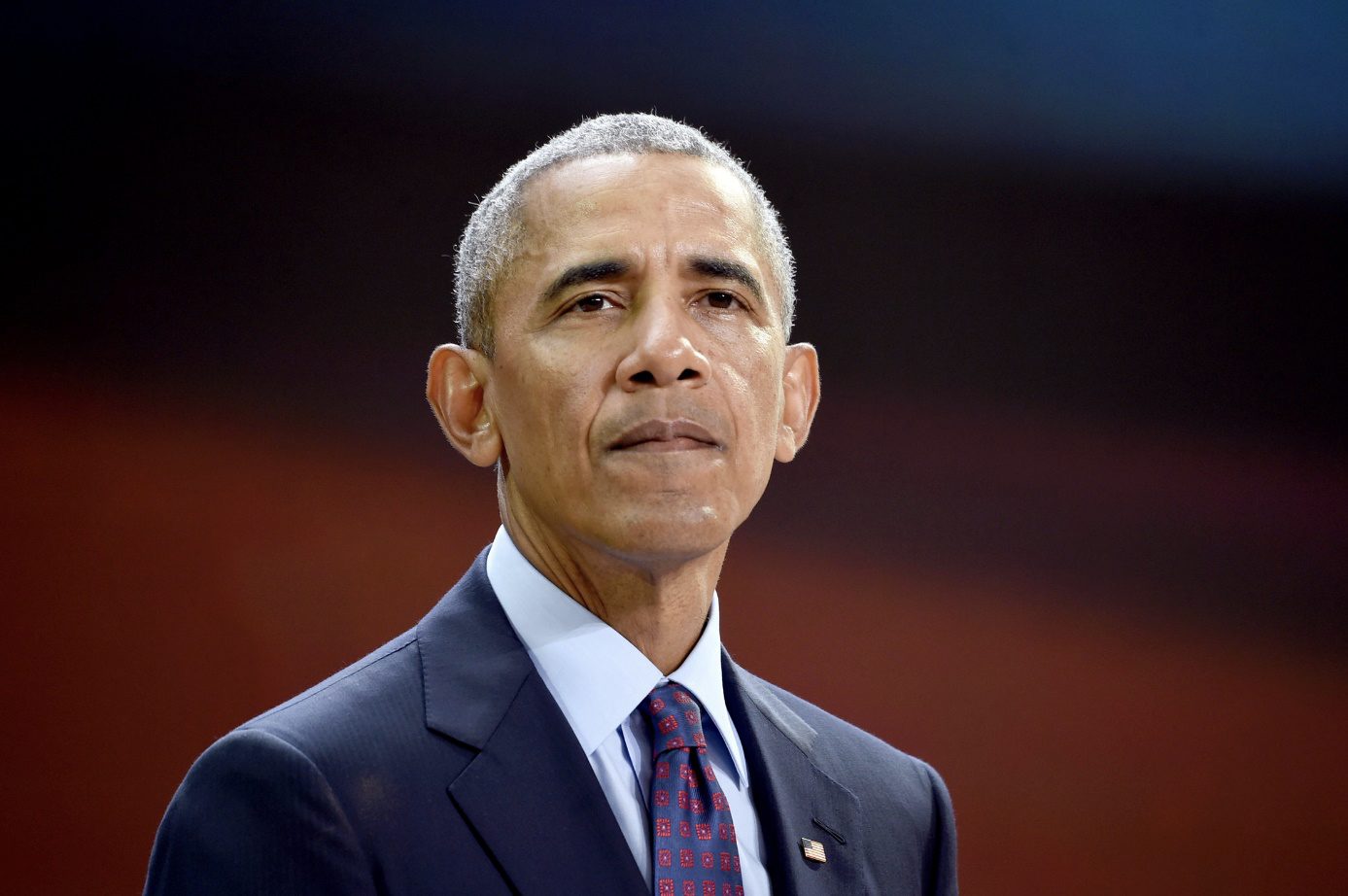
Try listening to someone during a conversation with your mouth closed and your teeth clenched together.
Then try it again but this time with your jaws relaxed and your lips slightly parted, it should feel like a light relaxed tendency towards smiling.
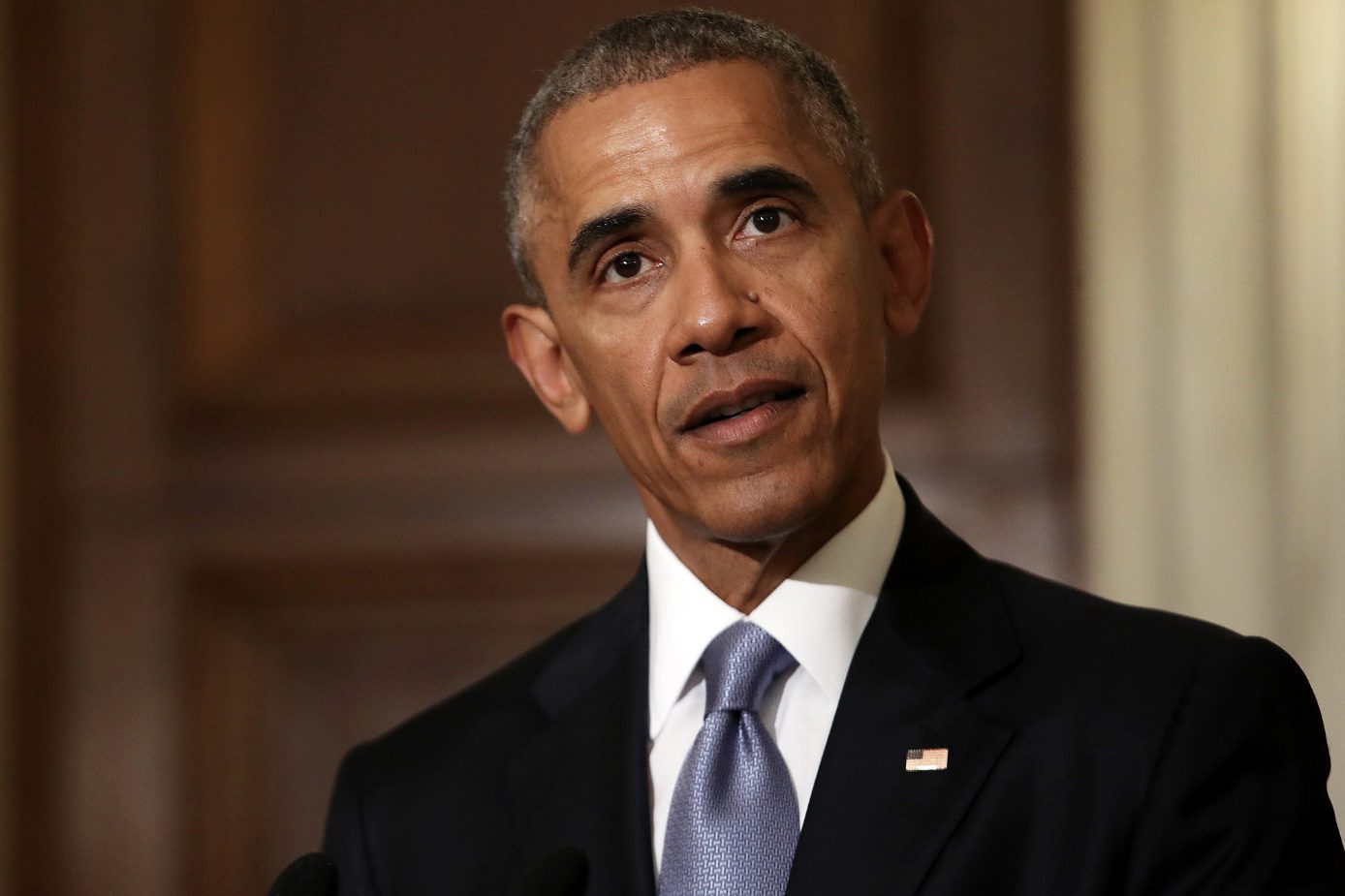
Soft eyes, maybe even a bit of a ‘cheer’ in the eyebrows which are slightly raised, like we do when we are interested, instead of hanging down.
In the first case the message you send out is: ‘I hear what you are saying and I think something of it’. In the second case you communicate: ‘I hear what you are saying and I enjoy listening to you’. Result? Your discussion partner will align with you better, feel encouraged by your attention and share more where possible. Similarly, you can also steer the other person’s narrative when you feel it is taking too long. By closing your mouth you can make it clear that you would like to wrap things up. It also has some uncomfortable influence on the speaker: so be aware of what it is you are doing!
Aanbevolen door LinkedIn

Facial and vocal impact
What influences a conversation even more is the way you speak and use your voice: the sound of your voice, your tempo and your volume. Learning to use your voice as a tool to optimize your communication is perfectly trainable. Just like you can make your listening face work to your advantage.
Your tempo, timing, breathing, tone of voice (relaxed of tensed), pitch, pace, everything has an impact on the conversation.
Try out: say 'DO I HAVE TO DO THIS NOW?' with your voice pitch high on different words in this sentence, and low on the other words. What is the impact saying:
DO I HAVE TO DO THIS NOW?
DO IHAVE TO DO THIS NOW?
DO I HAVE TO DO THIS NOW?
DO I HAVE TO DO THIS NOW?
DO I HAVE TO DO THIS NOW?
DO I HAVE TO DO THIS NOW?
I appreciate your comments and look forward to hearing about your experiences! And now it’s time to close my mouth:-)
Dit artikel verscheen eerder op LinkedIn.

Al ruim 25 jaar stemtrainer, onder meer van de presentatoren van RTL en NOS. Oprichter van de eerste stemkliniek van Nederland en auteur van Vijftig tinten hees.